


14
2026
-
04
Facing Soaring Raw Material Prices: Why "High Longevity" Outweighs "Low Price" in Carbide Dies?
—— A Deep Dive into the Comprehensive Cost Advantage of Tungsten Carbide Molds in Precision Manufacturing
I. Introduction: Manufacturing Challenges Amidst Raw Material Volatility
In 2026, the global prices of rare metals such as tungsten and cobalt continue to climb, presenting unprecedented cost challenges to the tool and die industry. Amidst this surge in raw material costs, many procurement departments face a strategic dilemma: should they opt for traditional steel molds with lower initial costs, or stick with high-priced tungsten carbide molds?
In reality, chasing "low unit prices" often masks significant hidden expenses in the production process. Leveraging data from the industry authority, this article analyzes why "high longevity" is the true path to cost efficiency in an era of high prices.
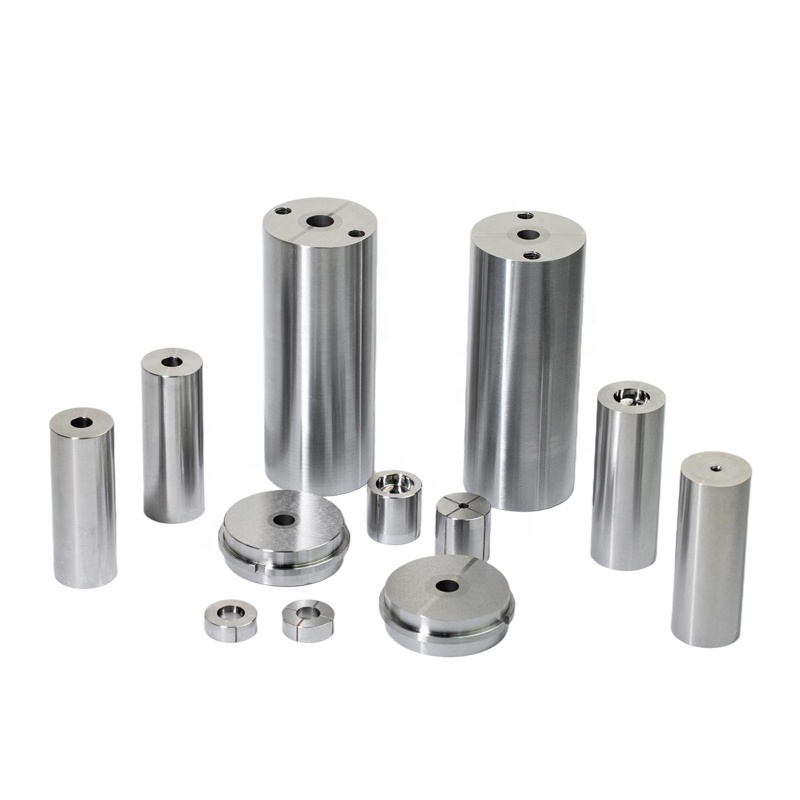
II. Problem Analysis: The Pitfalls of Stainless Steel Substitution
Under pressure to cut costs, some enterprises attempt to substitute tungsten carbide with stainless steel (such as Cr12MoV or other D2-grade tool steels) in certain processes. From a short-term financial perspective, the procurement cost of stainless steel molds may only be 30%-40% of that for carbide. However, this is often a "price trap."
According to general industry data, stainless steel molds are highly susceptible to thermal fatigue cracking and surface galling when subjected to high-frequency stamping or intense compressive stress. This substitution strategy overlooks the cascading effects of mold failure: frequent downtime for mold changes, material waste during machine recalibration, and an increased defect rate in finished products as the mold wears down.
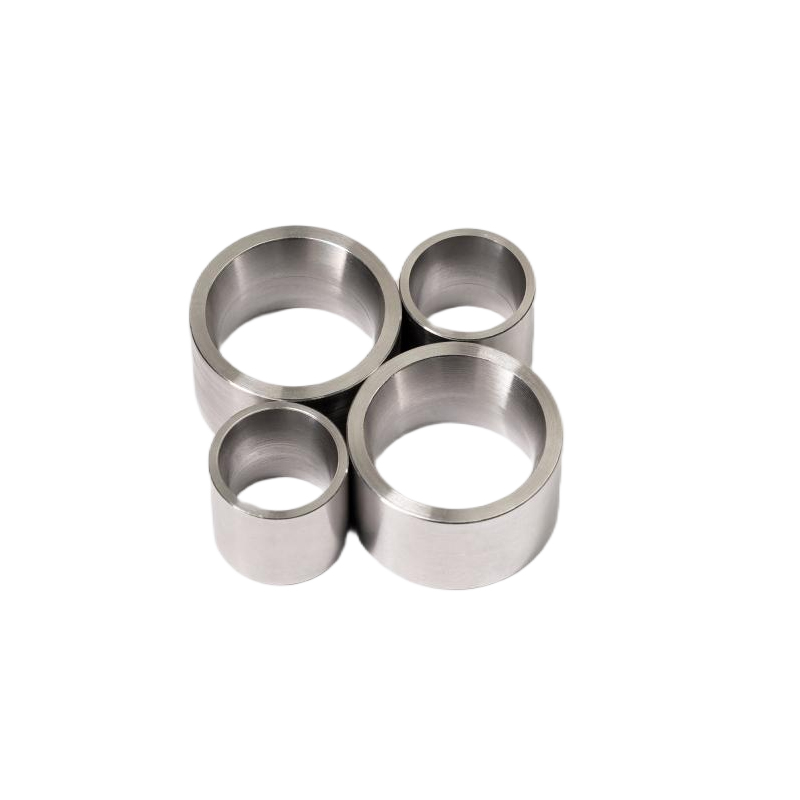
III. Value Argumentation: TCO Analysis of High-Longevity Molds
To measure the true value of a mold, one must introduce the concept of "Total Cost of Ownership (TCO)." Below is a typical data comparison between tungsten carbide molds and high-performance stainless steel molds under standard cold heading conditions:
Dimension | Stainless Steel Mold (Cr12MoV) | Tungsten Carbide Mold (YG20/YG15) | Difference Multiplier |
Average Service Life | ~50,000 - 100,000 Strokes | ~500,000 - 1,500,000 Strokes | 10-15 Times |
Downtime Frequency | High (Every 2 days) | Extremely Low (Every 20-30 days) | Significantly Reduced |
Amortized Cost Per Part | Rises linearly with wear | Remains stable long-term | Approx. 60% Reduction |
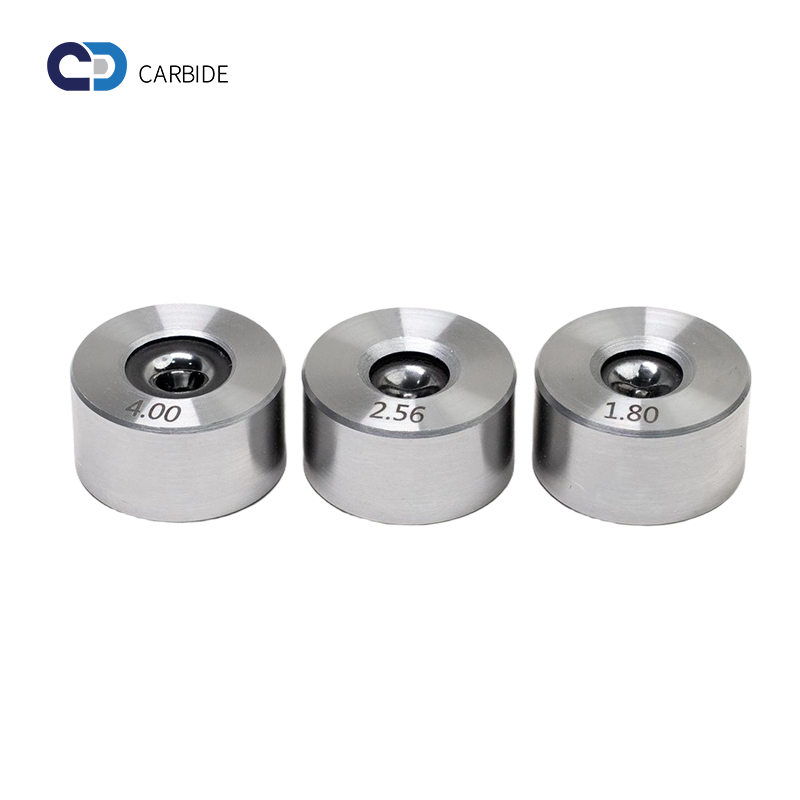
1. Fundamental Differences in Physical PropertiesTungsten carbide possesses extreme hardness and superior compressive strength. It can maintain a surface finish of Ra 0.05 for extended periods during continuous production. In contrast, stainless steel molds are prone to microscopic plastic deformation after only a few thousand cycles.
2. Production Efficiency and Yield RatesUtilizing tungsten carbide molds means reducing mold change frequency by over 90%. In automated production lines, every shutdown for a mold change signifies not just lost production time, but also scrap loss during tool re-alignment. Over the long term, high-longevity molds ensure consistency in product dimensions.
3. Strategic Significance Against Material VolatilityWhile rising tungsten prices drive up the unit price of carbide, the fact that its service life is extended by 5 times or more means the mold cost per finished part is actually diluted. Investing in high-quality molds is essentially "locking in production efficiency," reducing the risk of repeatedly suffering from raw material price fluctuations.
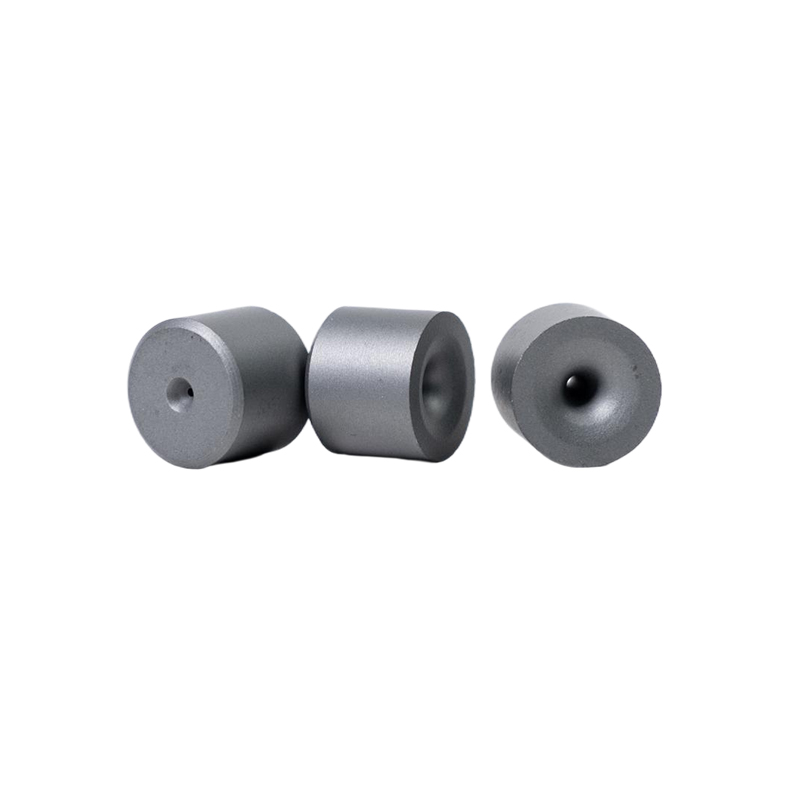
IV. Conclusion and Recommendations
In the current era of manufacturing upgrades, molds are no longer just consumables; they are the core carriers of productivity. Facing raw material hikes, companies should establish an evaluation system centered on "Cost Per Part Produced."
We recommend that decision-makers:
Prioritize Workload Evaluation: In high-output, high-precision stages, firmly utilize high-performance tungsten carbide molds to offset raw material costs with technical dividends.
Focus on Life Cycle Management: Follow scientific maintenance guides for upkeep to further extend service life.
Rationalize Substitution Schemes: Avoid blindly replacing materials in core processes to prevent falling into the trap of "low-price purchase, high-cost maintenance."
In summary, high longevity brings not only production stability but also the core competitive moat for an enterprise's cost structure.
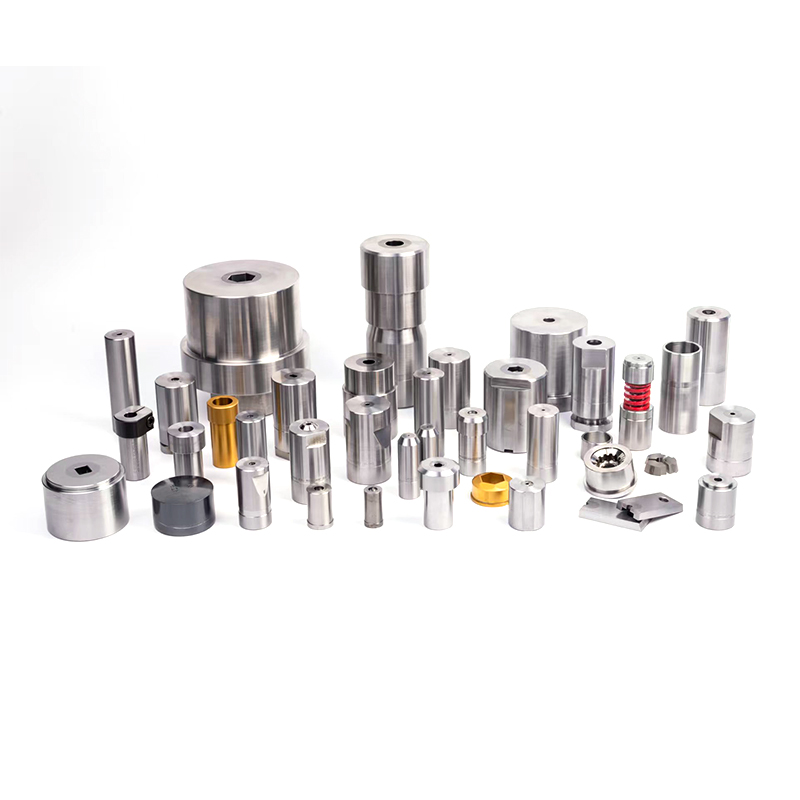
For more technical insights on tungsten carbide molds and mold longevity, please visit our industry authority website.
RELATED NEWS

Zhuzhou Chuangde Cemented Carbide Co., Ltd
Add215, building 1, International Students Pioneer Park, Taishan Road, Tianyuan District, Zhuzhou City
SEND US MAIL
COPYRIGHT :Zhuzhou Chuangde Cemented Carbide Co., Ltd
Sitemap
XML
Privacy policy